GovCon BD guide
How to Win Government Contracts as a Subcontractor: Finding Work Before It's Bid
Subcontractors sell to prime contractors, not directly to the agency. The strongest position is often built before the formal bid, when a prime is shaping its team, schedule, design, and risk plan.
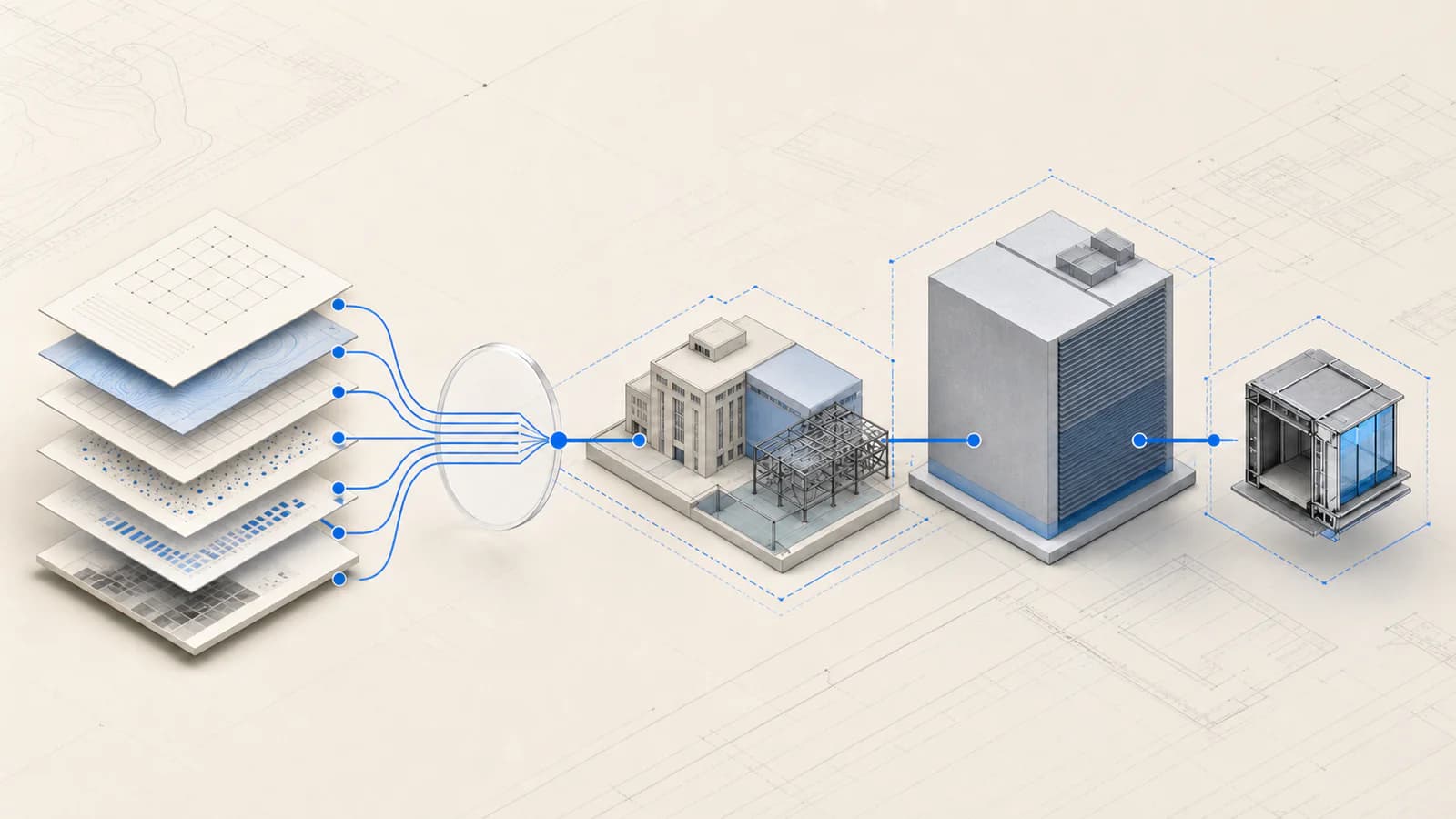
How government subcontracting works
A prime contractor holds the contract with the government and remains responsible for delivering the work. A subcontractor contracts with that prime or another higher-tier contractor to perform part of the scope. The subcontract is a commercial agreement, even though federal clauses, security duties, reporting, or small-business requirements may flow down into it. [1]
This changes the sales target. A specialty subcontractor usually needs to identify the likely prime, understand where its scope fits in the prime's solution, and become useful before the team and price are fixed—not simply wait for an agency notice addressed to prime bidders. [1][3]
Find the work before the bid names your scope
SAM.gov Contract Opportunities is the central public venue for many federal notices, including sources-sought notices, presolicitation notices, solicitations, and award notices. Earlier program signals can also appear in budgets, acquisition forecasts, planning documents, agency presentations, environmental reviews, and prior contract histories before a formal solicitation is released. [3]
The goal is not to treat every early record as a deal. It is to connect a specific dated signal to a plausible funded project, identify the likely acquisition and prime path, explain why the project implies your scope, and keep the uncertainty visible until the official documents confirm it. [3]
Build a prime-ready position
A prime needs more than a generic capability statement. Bring a clear scope boundary, relevant project evidence, certifications and registrations, geographic reach, schedule and estimating inputs, known interfaces, past performance, and a concise explanation of the risk your specialty removes from the prime's bid and delivery plan. [1]
SBA points subcontractors toward SUBNet, prime-contractor directories, Small Business Search, and APEX Accelerators. These channels are useful, but relationship timing still matters: a technically qualified firm introduced after design and pricing lock may be too late for the current pursuit. [1]
Understand the contract structure
There is no official rule that federal contracts come in exactly four types. FAR Part 16 contains several families and variants, including fixed-price, cost-reimbursement, incentive, indefinite-delivery, and time-and-materials or labor-hour arrangements. The prime contract's risk and payment structure influences the terms, documentation, pricing pressure, and schedule obligations a prime may pass to subcontractors. [2]
A repeatable pursuit workflow
Choose a narrow scope and buyer profile, monitor upstream records, qualify each signal, map the likely prime or construction manager, record the evidence and unknowns, prepare a project-specific contribution, and contact the prime through your own established business-development channels. Continue updating the pursuit as the acquisition moves from planning to solicitation and award. [3][1]
The LongLead connection
How LongLead AI helps
LongLead AI reads dated public records and surfaces projects that may create demand for a specialist's scope, typically 12–24 months before that scope is named depending on the signal and project. Every opportunity carries its source and an estimated lead-time window. LongLead prepares a cited evidence dossier naming the likely counterparty; the customer makes the call from its own channels, and nothing leaves the system.
Official sources
- [1]Prime and subcontracting guideU.S. Small Business Administration
- [2]Federal Acquisition Regulation Part 16 — Types of ContractsAcquisition.gov
- [3]Contract Opportunities on SAM.govU.S. General Services Administration
FAQ
- How do government contracts work?
- A government agency awards a contract to a prime contractor that is responsible for delivery. The prime may buy defined portions of the work from subcontractors under separate commercial agreements.
- What is subcontracting?
- Subcontracting is performing part of a prime contractor's government scope under an agreement with the prime or another higher-tier contractor. The subcontractor does not hold the agency's prime contract.
- How do I find government subcontracting opportunities?
- Start with SAM.gov notices, SBA's SUBNet and prime directories, Small Business Search, agency forecasts, and the primes already winning related work. Earlier public planning records can reveal which teams may need your specialty before a formal bid names it.
- What are the four types of government contracts?
- There is no single official list limited to four government contract types. Common summaries group fixed-price, cost-reimbursement, incentive, and indefinite-delivery contracts, but FAR Part 16 also covers time-and-materials, labor-hour, and additional variants.